



Welcome to AI Health Uncut, a brutally honest newsletter on AI, innovation, and the state of the healthcare market. If you’d like to sign up to receive issues over email, you can do so here.
Bizarro times, bizarro “list” — where being bad still gets you on the good list.
On Wednesday, the White House, in partnership with the Centers for Medicare & Medicaid Services (CMS), unveiled an exclusive list of 63 companies and organizations for the so-called “Make Health Tech Great Again” next-generation digital health ecosystem. Whatever that means. This was framed as a “pledge.” What does that even entail? Apparently, CMS issued a Request for Information (RFI) back in May 2025, but most companies never got a response.
It reeks of a rigged system. Welcome to American healthcare.
The absence of an open, merit-based selection process has raised eyebrows across the industry. Many suspect the list was driven less by innovation and more by “who you know” — lobbying power, backchannel connections, and beltway credibility — rather than any objective measure of impact or innovation in digital health.
Anyway, here’s the list, in alphabetical order. You’ll notice it labels some companies, like UnitedHealth, as “do-it-all” organizations. Translation: “do nothing.” 😉
Aetna, A CVS Health Company (Payer/Insurer)
Albertsons Companies (Patient Facing Apps — Diabetes and Obesity)
Amazon (Health System & Provider Company)
Anthropic (Patient Facing Apps — Conversational AI Assistants)
Apple (Patient Facing Apps — Kill the Clipboard Company)
athenahealth (Data Network)
AtlantiCare (Health System & Provider Company)
b.well Connected Health (Data Network; Patient Facing Apps — Kill the Clipboard Company)
Bioinsights (Patient Facing Apps — Diabetes and Obesity)
Bon Secours Mercy Health (Health System & Provider Company)
Brado (Patient Facing Apps — Conversational AI Assistants)
Carequality (Data Network)
Citizen Health (Patient Facing Apps — Conversational AI Assistants; Patient Facing Apps — Kill the Clipboard Company)
Cleveland Clinic (Health System & Provider Company)
CommonWell Health Alliance (Data Network)
CRISP (Data Network)
Curai Health (Patient Facing Apps — Conversational AI Assistants)
CVS Health (Health System & Provider Company; Patient Facing Apps — Kill the Clipboard Company)
CyncHealth (Data Network)
Datavant (Data Network)
eClinicalWorks (Data Network)
eHealth Exchange (Data Network)
Elevance Health (Payer/Insurer)
Ellipsis Health (Patient Facing Apps — Conversational AI Assistants)
Epic (Data Network)
Fasten Health (Patient Facing Apps — Kill the Clipboard Company)
Flexpa (Patient Facing Apps — Kill the Clipboard Company)
Froedtert ThedaCare Health Inc. (Health System & Provider Company)
Google (Patient Facing Apps — Conversational AI Assistants; Patient Facing Apps — Kill the Clipboard Company)
HabitNu (Patient Facing Apps — Diabetes and Obesity)
Health Gorilla (Data Network)
Hippocratic AI (Patient Facing Apps — Conversational AI Assistants)
Humana (Payer/Insurer)
Innovaccer (Data Network)
Intermountain Health (Health System & Provider Company)
K Health (Patient Facing Apps — Conversational AI Assistants)
Kno2 (Data Network)
KONZA Health (Data Network)
Louisiana Department of Health (Data Network)
MedAllies (Data Network)
Medicare (CMS) (Payer/Insurer)
Microsoft AI (Patient Facing Apps — Conversational AI Assistants)
MyHealth Access Network (Data Network)
NantHealth (Patient Facing Apps — Conversational AI Assistants; Patient Facing Apps — Kill the Clipboard Company)
NightingaleMD (Patient Facing Apps — Conversational AI Assistants)
Noom (Patient Facing Apps — Diabetes and Obesity)
Nuna (Patient Facing Apps — Conversational AI Assistants; Patient Facing Apps — Diabetes and Obesity)
OpenAI (Patient Facing Apps — Conversational AI Assistants)
Oracle Health (Data Network)
Oura (Patient Facing Apps — Conversational AI Assistants; Patient Facing Apps — Diabetes and Obesity)
Particle Health (Data Network)
Polygon Health (Patient Facing Apps — Conversational AI Assistants)
Providence (Health System & Provider Company)
Sanford Health (Health System & Provider Company)
Samsung (Patient Facing Apps — Kill the Clipboard Company)
Sharecare (Patient Facing Apps — Conversational AI Assistants; Patient Facing Apps — Kill the Clipboard Company)
Surescripts (Data Network)
Tennessee Oncology (Health System & Provider Company)
UnitedHealth Group (Health System & Provider Company; Patient Facing Apps — Conversational AI Assistants; Patient Facing Apps — Kill the Clipboard Company; Payer/Insurer)
Virta Health (Patient Facing Apps — Diabetes and Obesity)
Welldoc (Patient Facing Apps — Diabetes and Obesity)
Zus Health (Data Network)
Zocdoc (Patient Facing Apps — Conversational AI Assistants; Patient Facing Apps — Kill the Clipboard Company)
This is a very odd list. I’ve never heard of most of these companies, especially on the “apps” side. And this is literally my job: to know these companies. 🙂
Of course, my readers may remember I’ve already covered the Healthcare VC Mafia and Digital Health’s Political Cartel. I’d say this “Make Health Tech Great Again” list follows those themes... but only somewhat. It’s more of a remix than a sequel. 😉
Trump’s inauguration “attendees” 😉:
Amazon, (Tim 🙂) Apple, Google, Microsoft, Oracle.
Worth noting: It probably wasn’t a coincidence that former CMS Administrator Seema Verma, now a senior Oracle exec, was present at the White House “Make Health Tech Great Again” event on Wednesday. 🤔
AI players (so, kinda legit):
OpenAI, Anthropic, Curai Health.
Companies backed by Andreessen Horowitz or General Catalyst (or both), and possibly appearing on “the list” thanks to cozy ties with Trumpworld and the GOP:
Anthropic
Curai Health
Flexpa
Hippocratic AI
OpenAI
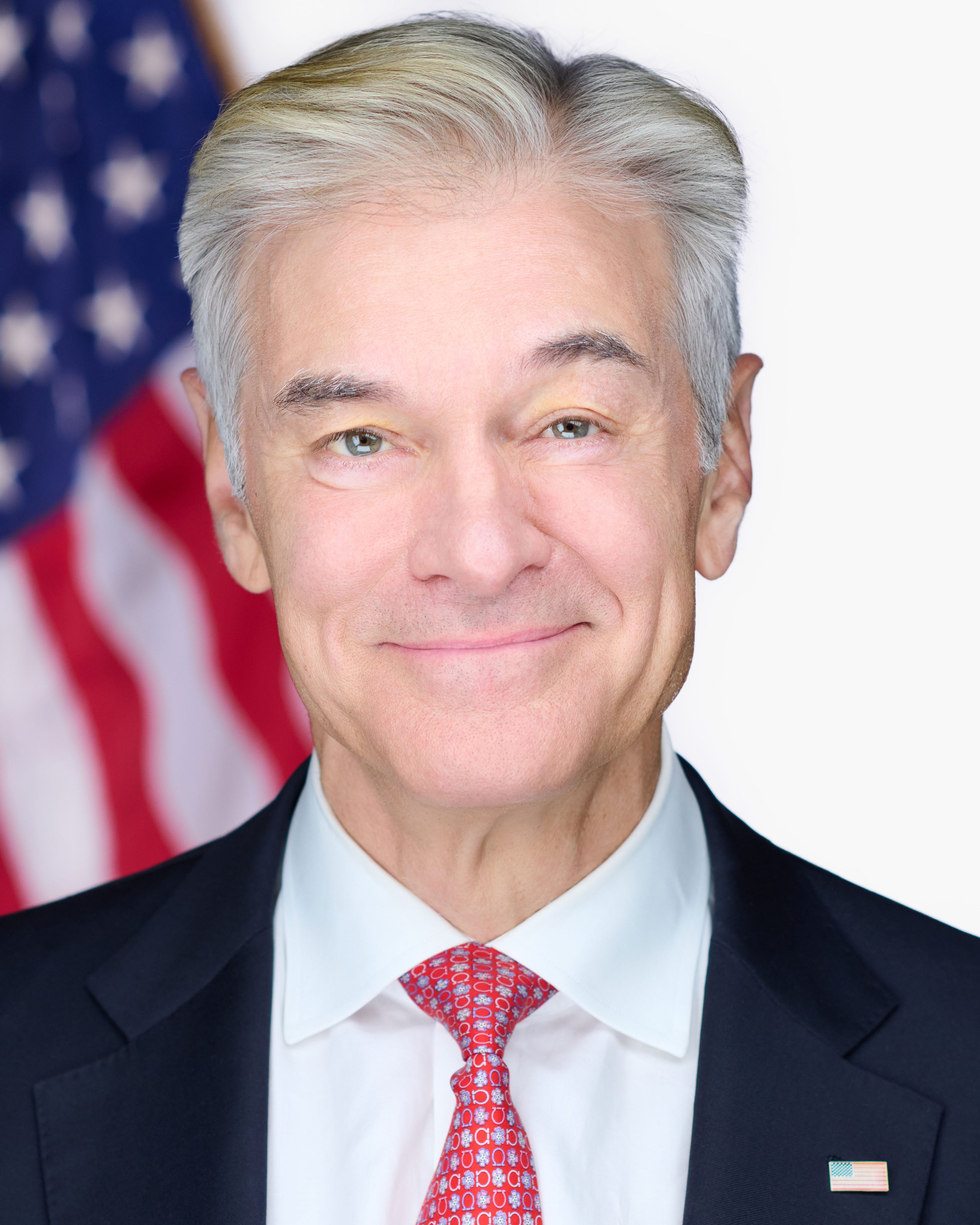
Sharecare:
Dr. Oz, the founder of Sharecare and (oops 😉) Trump’s CMS head, owns a $25M stake in the company. Sharecare sells its platform to insurance companies. CMS regulates insurance companies. Medicare and Medicaid—run by CMS—are the very programs whose patients would use Sharecare. Conflict of interest, anyone?
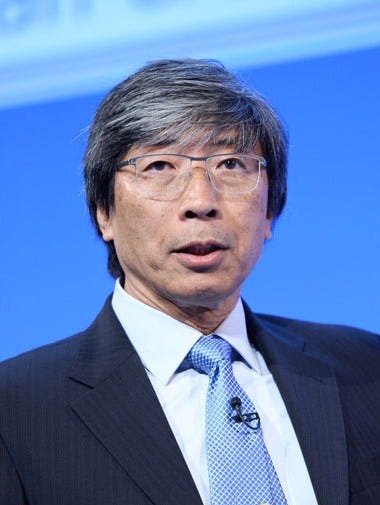
NantHealth:
Included in the pledge’s “digital tools” cohort, NantHealth is less a tech innovator and more a monument to billionaire founder Patrick Soon-Shiong’s ego. The company was delisted from NASDAQ in 2023 for failing to meet basic market requirements. Its NaviNet platform isn’t exactly bleeding-edge. Why it’s on a healthtech innovation list is anyone’s guess. (Nothing against Patrick Soon-Shiong though. He does seems to possess a big ego. But he also seems like the one who gives a damn about humanity.)
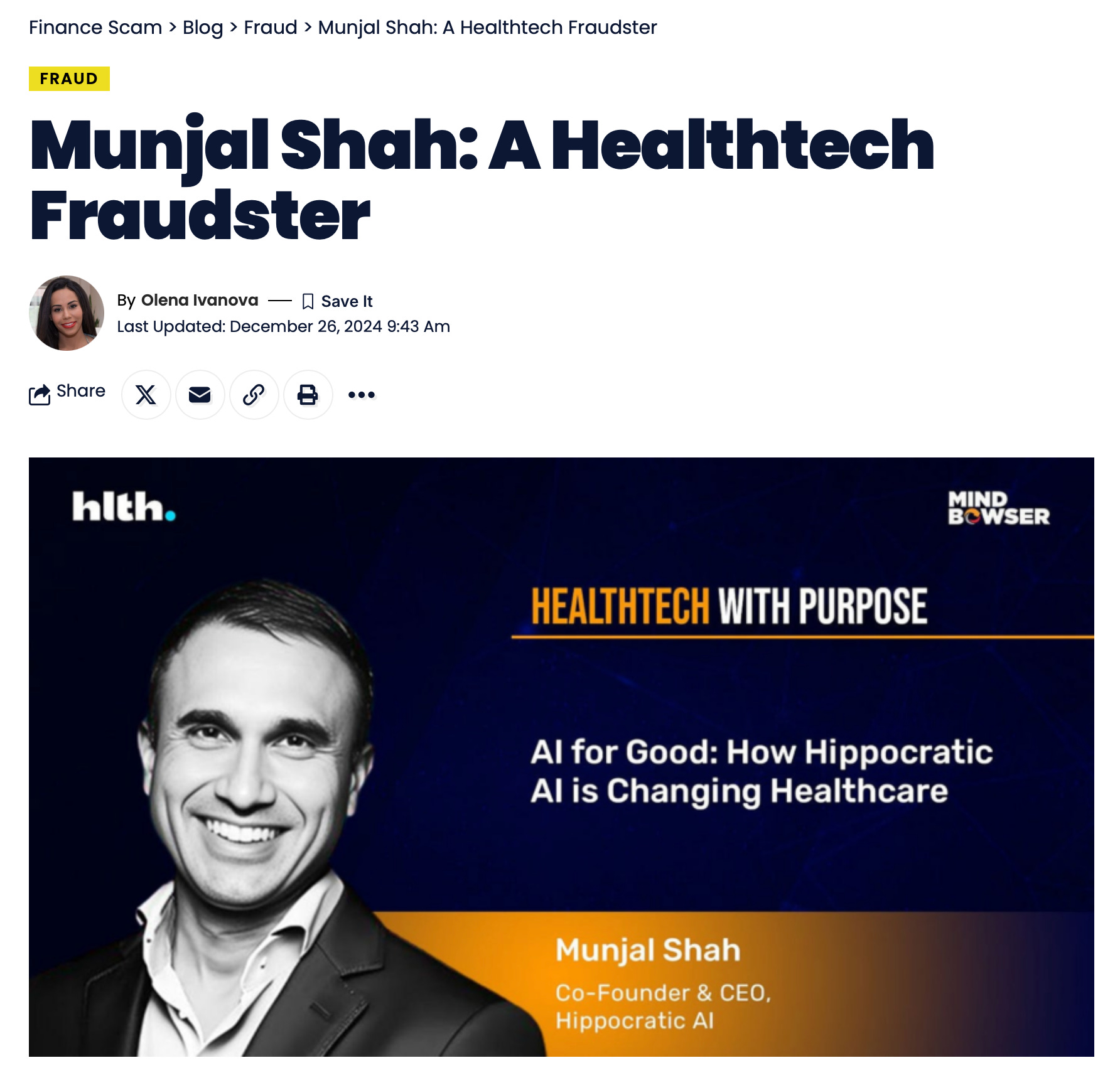
Hippocratic AI:
Or as I prefer to call it: Hypocritical AI. 😉 I ran a deep investigation into Hippocratic AI. They’ve raised $278M from the VC bros at Andreessen Horowitz and General Catalyst, among others. They recently closed a $141M round based on vague promises about “AI agents” for medicine. Meanwhile, the management team has zero clarity on their actual AI capabilities. The CEO, Munjal Shah, racked up seven fraud lawsuits from his last startup, Health IQ, which hadn’t even entered bankruptcy court when he started pitching Hippocratic AI! And now he’s palling around with RFK Jr. And we have the photo to prove it. 😉 (And no, this guy is no Patrick Soon-Shiong. Shah gives absolutely zero sh*t about humanity.)
Zocdoc:
Solid appointment booking platform. But AI company? Not really.
Anthropic:
Strong AI lab. Very little healthcare experience.
Epic vs Particle Health:
Meanwhile, some inclusions seem awkward given real-world rivalries. A prime example is Epic Systems and Particle Health. These two companies are currently locked in a legal battle – Particle sued Epic in 2024 for allegedly using its EHR dominance to block data-sharing competition. Epic, the $50B EHR behemoth, and Particle, a small API startup, have been publicly trading barbs in court filings. Yet here they are both listed as pledge participants, ostensibly “united” in working toward better data exchange. The irony isn’t lost: it underscores how the “Make Health Tech Great” pledge is more performative than substantive – bringing together even adversaries under a broad promise of “collaboration” that papered over real conflicts.
And some other?
Polygon Health? Fasten Health? Brado? HabitNu? I had to Google these. 😉 They’re not household names, not market leaders, and definitely not the ones you’d choose if your goal was to “Make Health Tech Great.”
The incumbents:
And what are the incumbents, UnitedHealth, CVS, Aetna, Humana, who’ve spent years stalling AI and digital health, even doing on this so-called “Make Health Tech Great” list? It’s bizarre.
In summary, the selection process seems to come down to one of two things: Who You Know (political pull or VC connections) or names pulled straight out of a hat.
Outside of a few recognizable players (many of whom aren’t even healthtech companies), there are no true innovators here. What we do have is a bloated guest list of AI tourists and entrenched incumbents who’ve done little to push the frontier of health technology.
What they have mastered is lobbying, backroom access, and the fine art of ass-kissing.
Shame.
👉👉👉👉👉 Hi! My name is Sergei Polevikov. I’m an AI researcher and a healthcare AI startup founder. In my newsletter ‘AI Health Uncut,’ I combine my knowledge of AI models with my unique skills in analyzing the financial health of digital health companies. Why “Uncut”? Because I never sugarcoat or filter the hard truth. I don’t play games, I don’t work for anyone, and therefore, with your support, I produce the most original, the most unbiased, the most unapologetic research in AI, innovation, and healthcare. Thank you for your support of my work. You’re part of a vibrant community of healthcare AI enthusiasts! Your engagement matters. 🙏🙏🙏🙏🙏
This idea is so interesting in theory. In practice, I'm not sure this group is the one who can carry it out. If you could force-add one organization to this roster, who would you add?
💰