


Welcome to AI Health Uncut, a brutally honest newsletter on AI, innovation, and the state of the healthcare market. If you’d like to sign up to receive issues over email, you can do so here.
Before I begin, let me share a couple of events I’ll be attending next month. I always look forward to meeting fellow healthcare AI enthusiasts, so if you’re around at any of these events, please stop by and say hello.
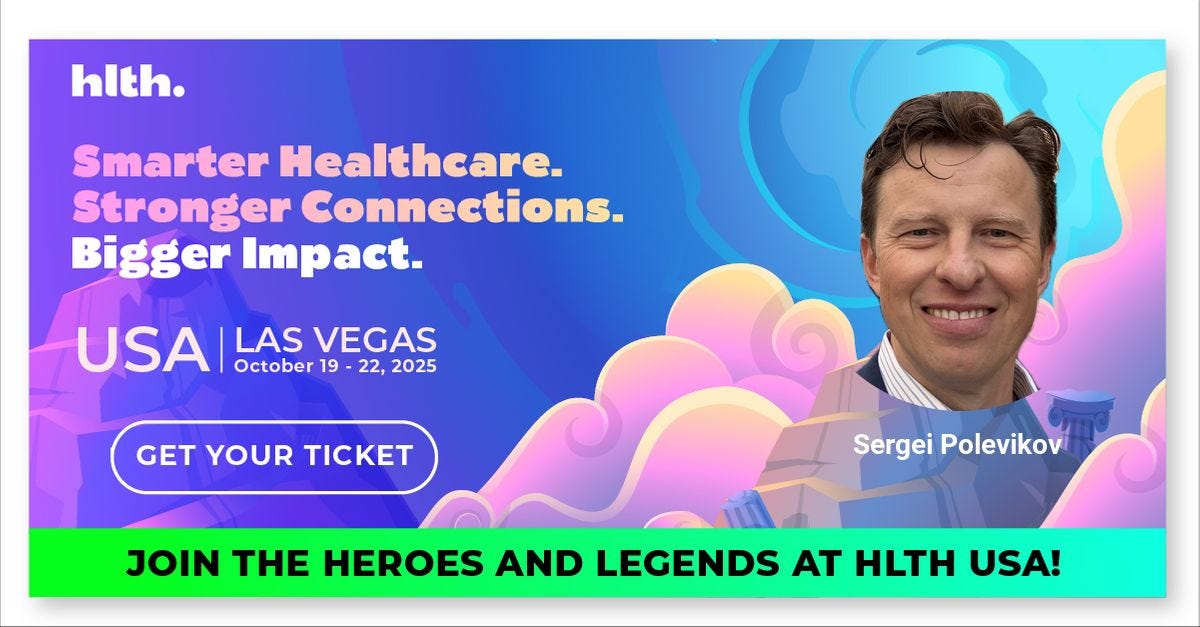
🔵 On October 19–22, 2025, I will be attending HLTH USA in Las Vegas, NV — as an influencer, no less (don’t ask 🙄). Use my discount code if you’d also like to attend:
🔵 On October 23–24, 2025, I’ll likely be attending DC Startup & Tech Week in Washington, D.C.
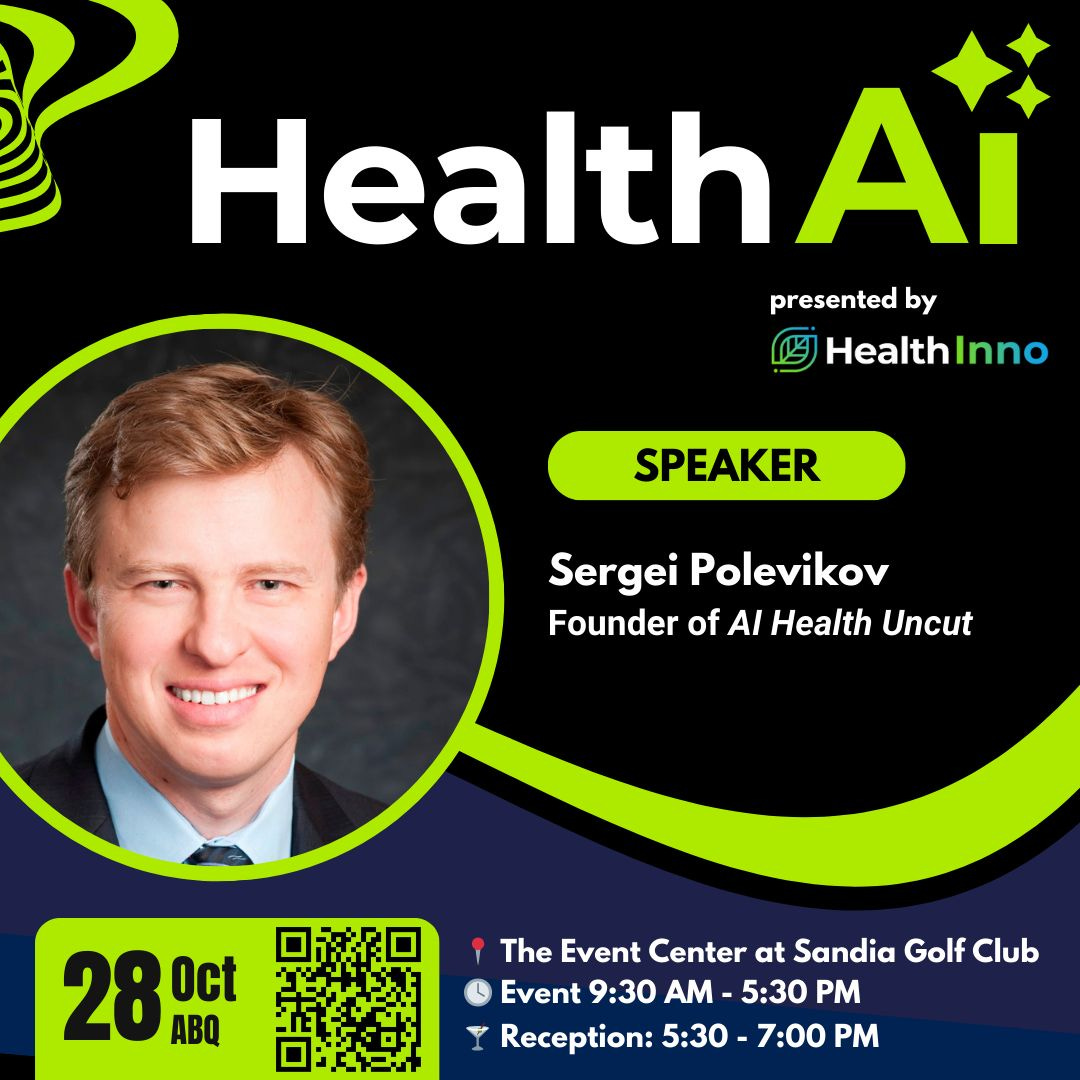
🔵 On October 28, 2025, I will be speaking at the Health AI Summit in Albuquerque, NM.
When I’m at a conference on a big topic like healthcare AI, I want to get the maximum out of it. Go to conferences. Talk to experts. Talk to anyone. Ask smart questions. Ask stupid questions. Anything is better than being passive. When a room is full of sharp, curious people, ideas, solutions, and collaborations can emerge.
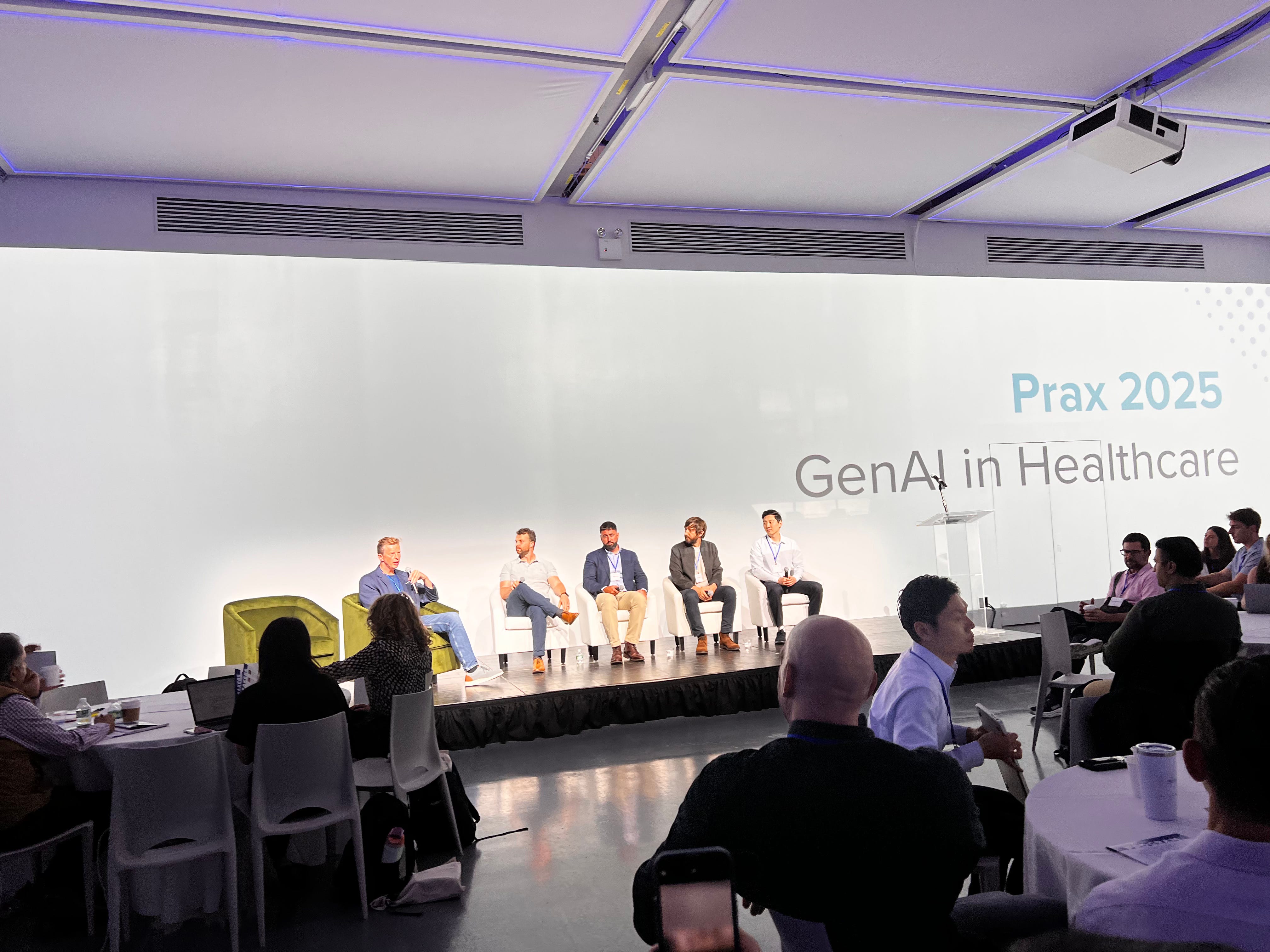
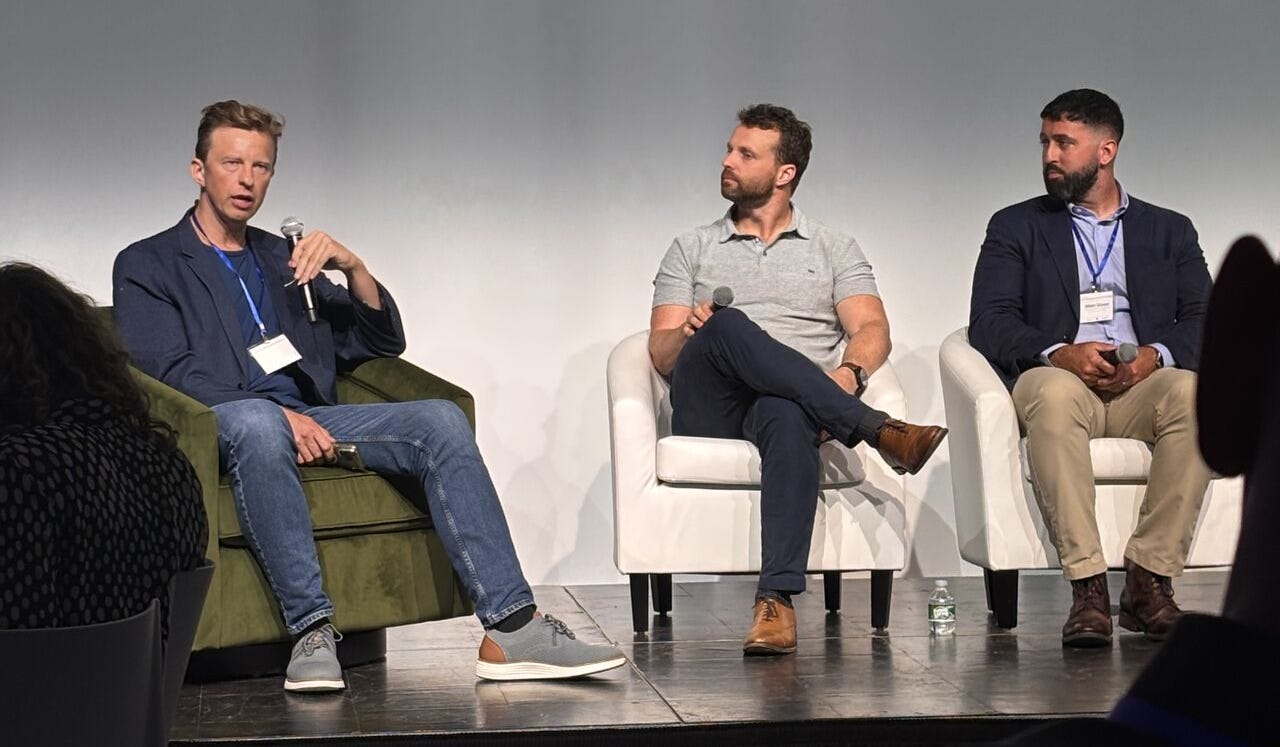
That’s what I tried to do on Thursday at Prax: The AI x Healthcare Summit, a very well-organized conference. On my own panel, “GenAI in Healthcare,” and during Q&A at other sessions, I asked direct, evidence-based questions. Some called me a hater. Some an instigator. But most of the audience had my back. One of my questions—calling out a16z and General Catalyst for a decade of harmful investment practices—got spontaneous applause. That was humbling.
What really struck me was learning how strong my Substack community has become. Paid subscribers not only read my work—they followed my call to show up at conferences. When I introduced myself on stage as the creator of AI Health Uncut, I got a loud “Whoohoo.” That overwhelmed me with joy.
Yes, I’ve been called an a**hole, a Debbie Downer, a pessimist, a hater (looking at you, Jay Rughani at a16z). The funny thing? None of those labels are true. This is not about being negative. It’s about spotlighting problems so we can fix them.
Progress isn’t a standing ovation. Progress is a better chart note. A safer workflow. A clinician making it home in time for their kid’s game. If “being nice” blocks any of that, then “nice” is the enemy.
So yes, I show up. I push. I get into people’s faces. I make enemies. I don’t care. Because patients don’t have time for fairy tales. And at this conference, I didn’t see a single patient advocate. Even at a technical event, patients must be part of the conversation. This one wasn’t even all that technical, including my panel on foundational GenAI models.
The media can handle the confetti and the rainbows. My job is to grab a flashlight, pop the hood, and shine it on the cracked gasket. I enjoy that work. I don’t care what people call me. And with every conference, every new Substack subscriber, the support keeps growing. That is what’s truly encouraging. And the applause for my questions? Unexpected. And deeply humbling.
Alright. Talk is cheap. Let’s get to the conference summary.
Here’s the quick recap. I’m going to borrow a line from my friend Lisa Bari, whose work in healthcare policy I deeply admire and whose podcast with Kat Kovalchik McDavitt is one of the smartest out there:
We started off with raucous tabletop discussions about some of the most salient issues in healthcare AI today, including the rollout of agentic AI, competition, and antitrust issues. Every session was great and highly engaging, with significant audience participation and tough questions about the unique risks and limitations of generative AI, the “AI scribe” market post-Epic UGM, opportunities for challengers and innovators, how to partner with health systems (hint: it’s hard), and my favorite, the state of AI policy in today's political environment.
Now, down to the weeds of my own panel: “GenAI in Healthcare: A Conversation with Foundation Model Builders.”
First, I want to thank my panel of experts:
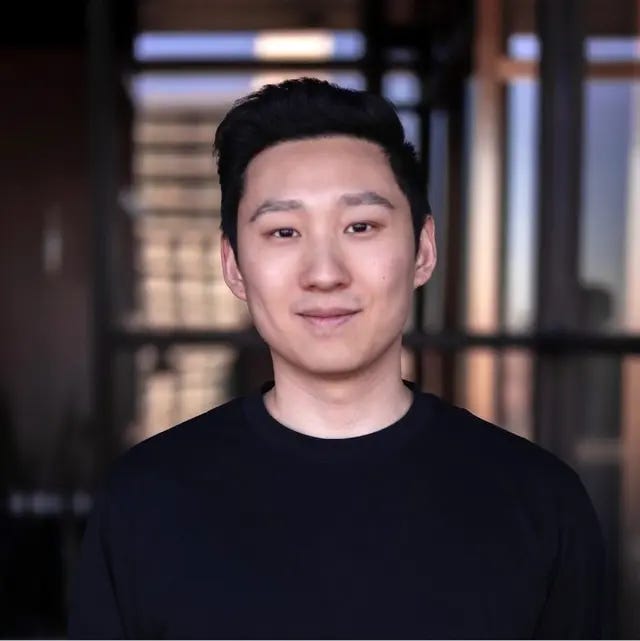
John Xing (CTO @ Amigo)

Matt Mohebbi (SVP of Engineering & AI @ Brightside Health)

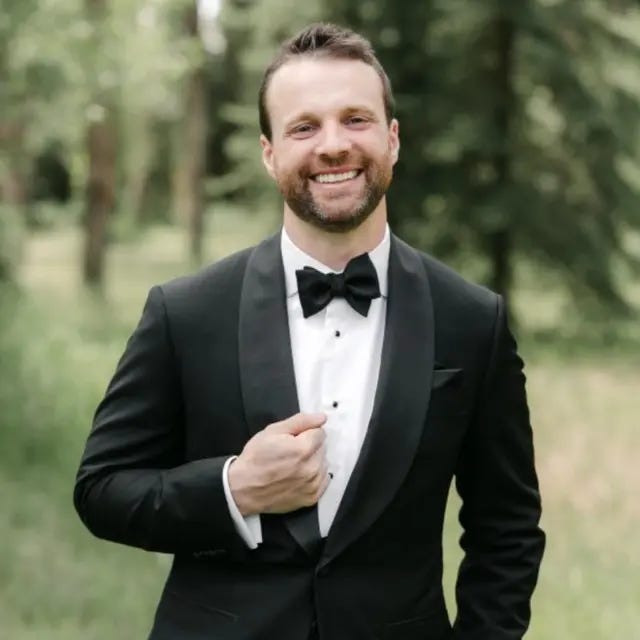
Matt Vail (CTO @ Datavant)
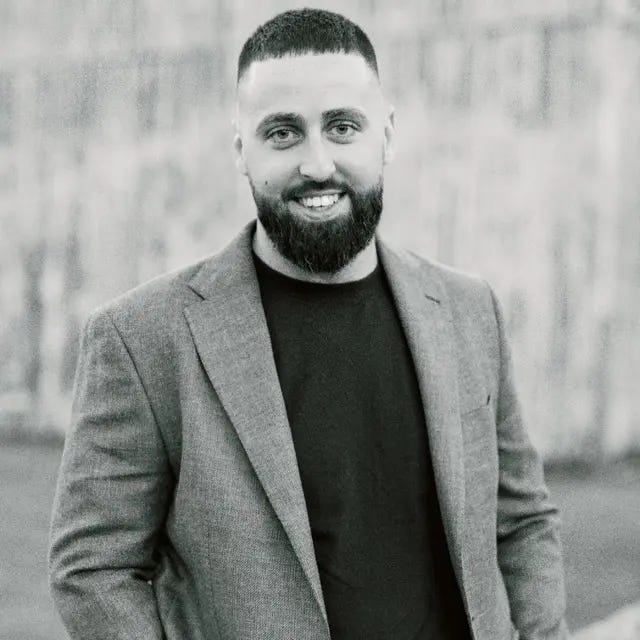
Matt Dixon (Cloud Solution Architect @ Northwell Health)
Fascinating people. I met some of them off-stage, at my table, and at the reception the previous night. They are passionate about solving real problems in healthcare, and that gave me a huge boost of hope.
So what I’m going to do in this piece is pose the same 12 questions I raised in the last article, but this time with an important backstory and with insights drawn from the panel discussion.
Again, a massive shoutout to my founding members and paid subscribers. 🙏 Your input shaped the toughest and most relevant questions. You’ve made my job as a moderator not just easier, but sharper.
If you remember, these are the 12 questions I selected for the panel: