


Welcome to AI Health Uncut, a brutally honest newsletter on AI, innovation, and the state of the healthcare market. If you’d like to sign up to receive issues over email, you can do so here.
I just got back from Europe—specifically Lithuania and Poland—and I think I’ve found the cure for longevity. This extended review offers a full guide on longevity, built around 35 questions that cut through the hype and (hopefully) get to the heart of what really matters.
But first things first. If you cannot afford this article—perhaps you’re a student or currently between jobs—please reach out. That’s precisely why I created the AI Health Uncut Founding Member Club. Thanks to generous donations and support from these wonderful individuals, I’m able to provide access to anyone who needs it. By the way, students reach out frequently, and I’m always glad to help.
If you’d like to become a Founding Member of the AI Health Uncut community, you can join through this link. You’ll be making a real impact, helping me continue to challenge the system and push for better outcomes in healthcare through AI, technology, policy, and beyond.
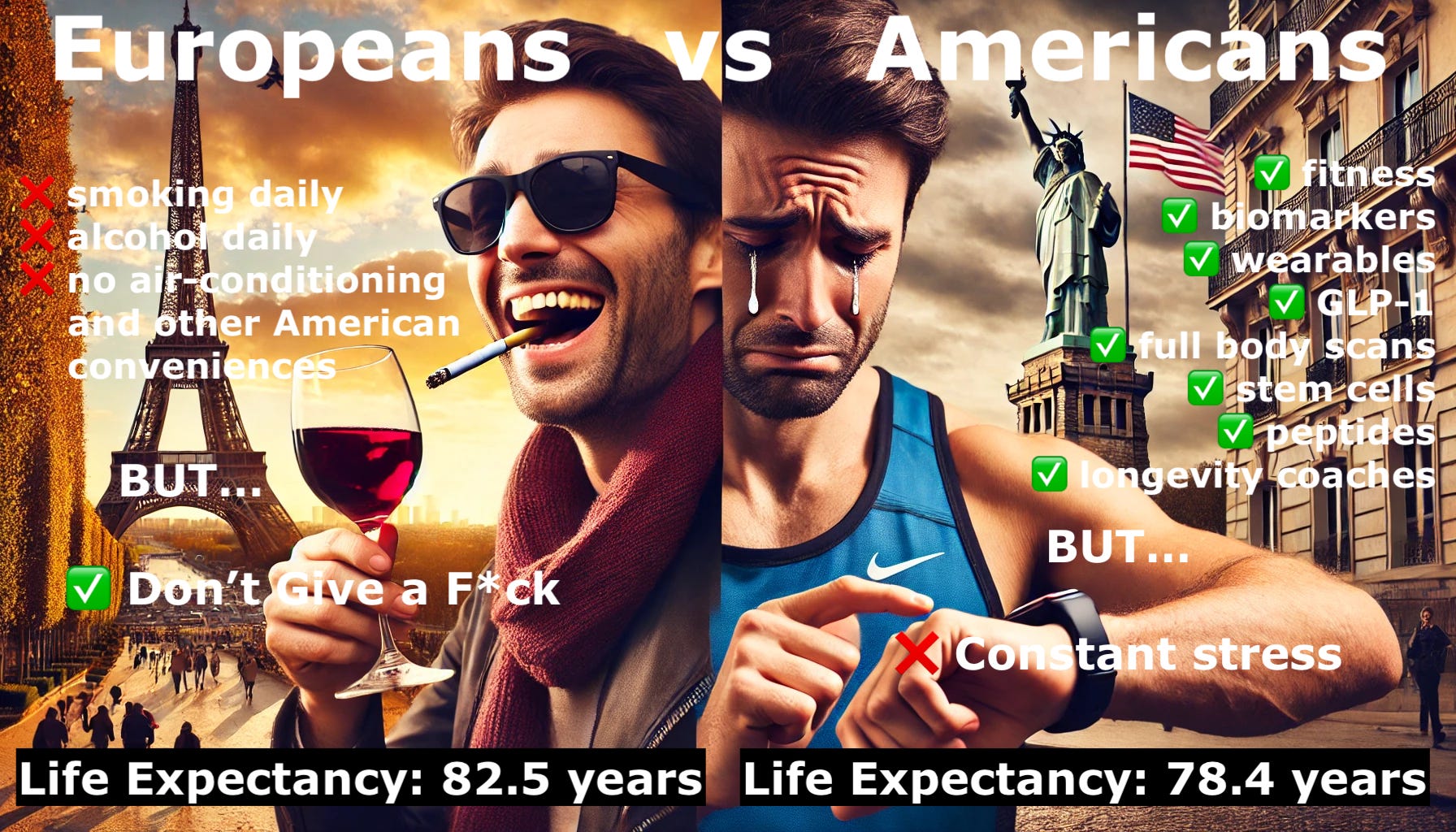
Forget American biomarkers, wearables, GLP-1s, full-body scans, stem cells, “longevity coaches,” and even injectable peptides. None of it holds a candle to Europe’s stress-free “fuck it” mentality.
Europeans smoke more than Americans.
Europeans drink more than Americans. (As the popular German saying goes, “Four beers a day keeps the doctor away.” 😊)
Europeans don’t enjoy many of the conveniences and gadgets that Americans do, like air conditioning or even dishwashers.
Europeans are also, on average, about twice poorer than Americans. Mississippi, the poorest U.S. state, had a GDP per capita of $53,874 in 2024. The E.U. average in 2024 was €40,060—or about $44,000.
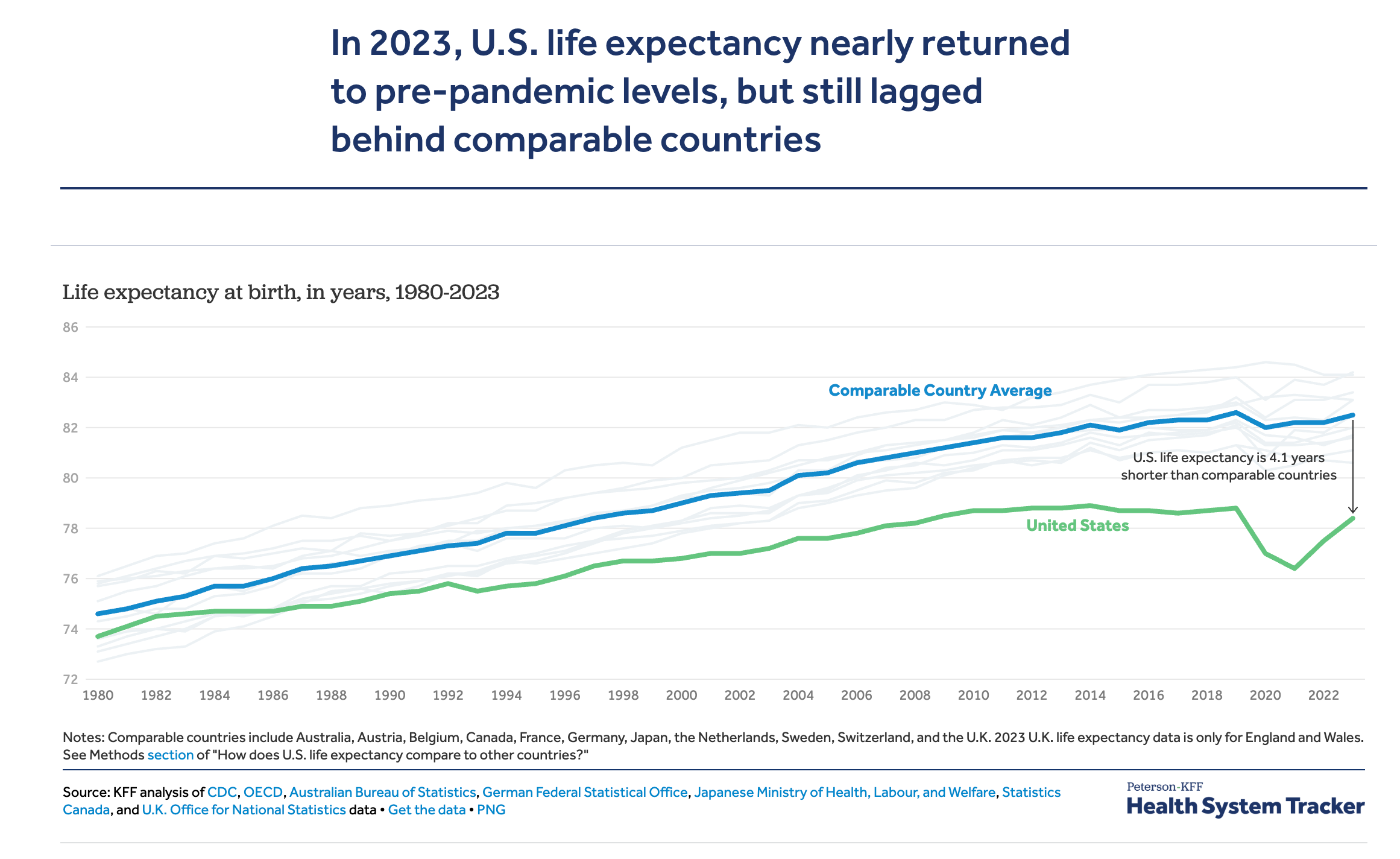
Yet somehow, Europeans live about four years longer than Americans, according to the latest analysis by Peterson-KKF.
So what gives?
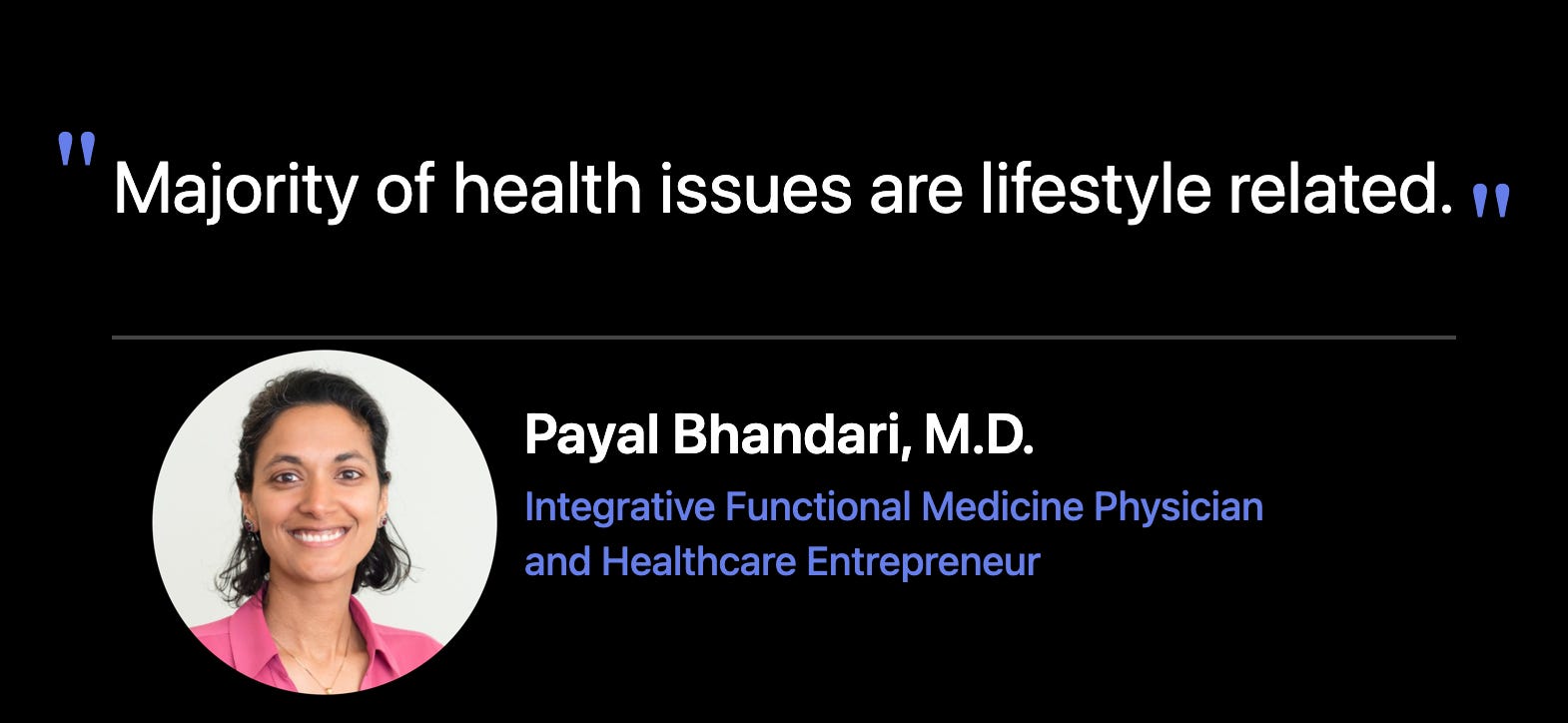
As Dr. Payal Bhandari put it, “Majority of health issues are lifestyle related.” (Source: Michael Mann’s Planetary Health First podcast on longevity, May 23, 2025)
And I totally agree. Europeans seem to give fewer f*cks. Americans obsess over every minor health metric, while Europeans chill. They treat weekends as sacred—Saturday and Sunday are for family, for community. That’s not written down anywhere. It’s just how they live. In the U.S., that’s the exception, not the rule.
Part of this European “fuck it” attitude comes from the social safety net. They get more vacation—often a lot more. They watch their parents retire with pensions and assume they’ll get the same cushy lifestyle. So, why stress?
Now, that last point is shaky. You can’t count on a social safety net when the economy is flatlining, like Europe’s has been for the past decade. It’s not sustainable. But here’s the kicker—Europeans either don’t know that or don’t care. And that lack of stress? That’s exactly the point.
But let’s step back. Let’s get scientific about this.
In this review, I explore the state of longevity—what’s working, what’s snake oil, where AI is making real impact, and what’s pure hype.
I’m pulling from many sources, but leaning heavily on these four:
“Is There a Science Behind Longevity?” — a new episode I co-hosted with my good friend and digital health expert Alex Koshykov — just dropped on Digital Health Inside Out. Guests include such renowned experts as Rahul Mehendale, Hillary Lin, Alex Lozano, and Igor Korolev. Check it out.
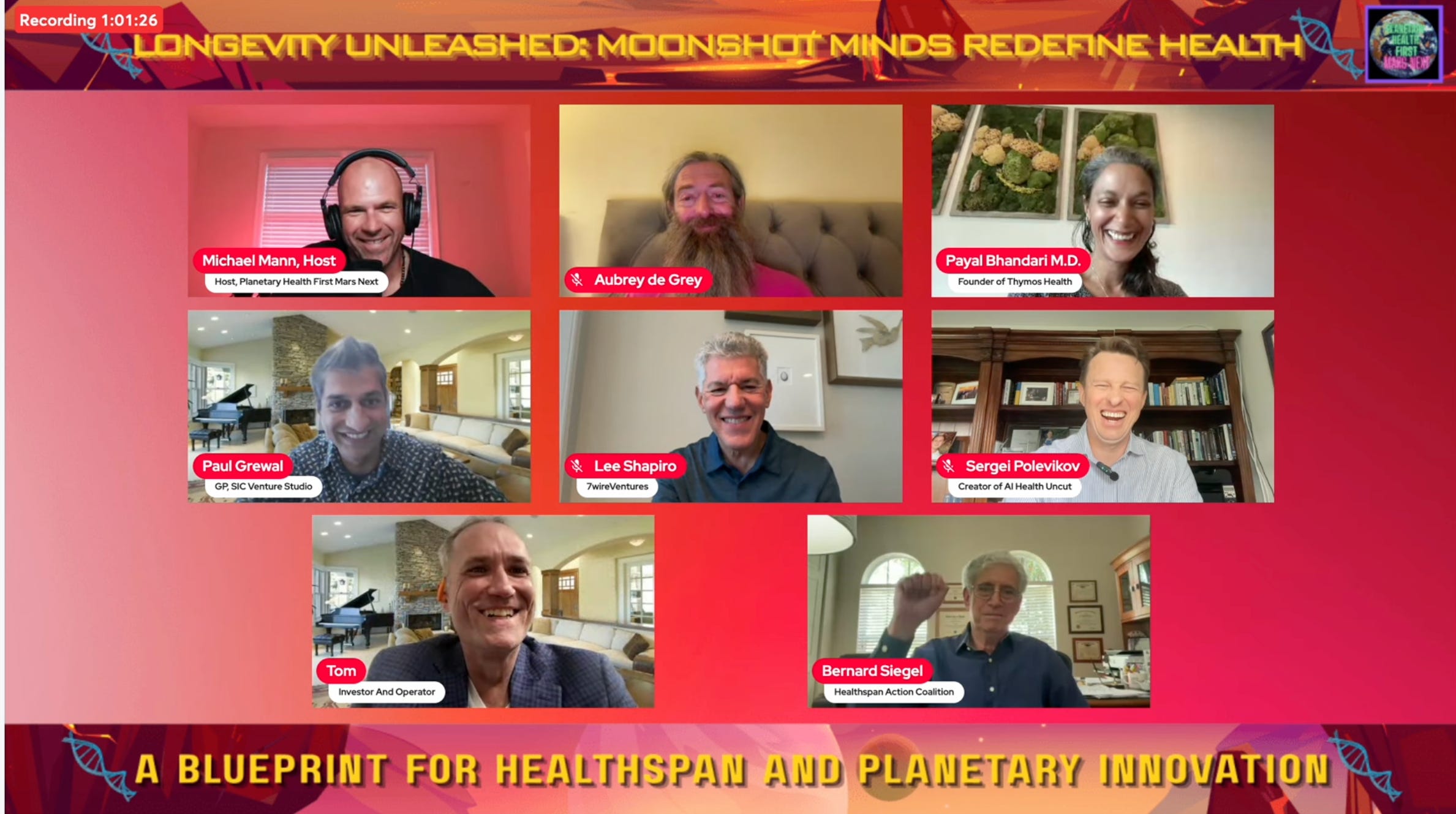
My guest appearance on Michael Mann’s Planetary Health First podcast on longevity, recorded May 23, 2025, alongside distinguished voices like Aubrey de Grey, Payal Bhandari, Paul Grewal, Lee Shapiro, Tom Kluz, and Bernard Siegel.
Eric Topol’s research and his latest book, “Super Agers: An Evidence-Based Approach to Longevity.”
A brilliant Bloomberg series on longevity hosted by David Rubenstein.
Longevity isn’t about chasing youth. It’s about extending quality life. And if you’re serious about that, stress management, social/family structure, and, yes, science-based strategy matter more than the latest pill or wearable. Let’s get into it.
TL;DR:
The paradox: Europeans live ~4 years longer than Americans despite worse conventional “health” inputs (more smoking, less wealth, fewer gadgets) because of lower chronic stress, stronger social norms around rest and family time, (possibly) better quality food, and a looser “fuck it” mentality.
American over-optimization vs. European social safety net: The U.S. chases biomarkers, gadgets, GLP-1s, and high-tech interventions while Europe gets more longevity bang-for-buck from cultural and systemic buffers (vacation, social safety nets, family/community rhythms).
Hype vs. reality in longevity: Much of the current industry is marketing, frothy funding, and repurposed tech. Real signal lives in biology-first platforms, validated biomarkers, and interventions with reproducible evidence.
AI’s mixed role: Promises of accelerated drug discovery, digital twins, and personalized aging insight are real but over-hyped. Structural validation, metric choice, and equity blind spots determine whether AI helps or just dresses up old problems.
The incentive and data gaps: Prevention is grossly underfunded because illness pays. Misaligned policy, opaque data ownership (especially around AI twins), and celebrity “longevity” branding distort priorities.
Integrate the best of both worlds: Stress reduction and societal support from Europe plus rigorous, biology-grounded science and smart tech from America—focused on meaningful metrics (healthspan, organ age, personalized value)—could be the practical longevity strategy.
Table of Contents:
1. Americans vs Europeans: health & lifestyle indicators
2. Why Americans die sooner: four major factors behind low U.S. life expectancy
3. Anthropic CEO claims AI could double life expectancy
4. Longevity went from niche to headline in five years. What shifted: better science, demographic panic, or brand marketing?
5. Follow the money in longevity. Is the cash landing in AI-drug discovery, consumer diagnostics, luxury clinics, or supplements, and which bucket feels frothiest right now?
6. Longevity for the 1%. Bay-area longevity clinics now charge anywhere from $6K to $250K a year for plasma swaps, peptide stacks, and full-body scans. Will elite spend trickle down, or entrench a longevity divide?
7. Role of AI in longevity. How is AI reshaping discovery, personalization, and policy across the longevity ecosystem?
8. AI longevity industry: zero monetization, and prevention left to die—shame!
9. AI drug-design milestone. A fully AI-designed molecule just reached Phase IIa in fibrosis. Does AI truly compress R&D timelines, or is this a one-off victory lap?
10. Digital twins at scale. What validation hurdle must digital twins clear before mainstream clinicians trust an algorithm to co-pilot decades-long behavior change?
11. Building a Biology-First AgeTech. What would a longevity platform look like if it prioritized the 26-protein inflammation signature of MASH rather than just weight loss, and how might that approach shift funding away from one-size-fits-all approaches?
12. Repurposed Tech: Innovation or Illusion? As companies lean on MRI, GLP-1s or off-the-shelf wearables for “longevity,” what novel R&D must emerge to move beyond repurposing old tools into truly new age-extending breakthroughs?
13. Define your metric. Lifespan, healthspan, disease-free years, biological-age score, organ-age—which metric do you use, and why does that vocabulary matter to patients and investors alike?
14. Defining healthspan as individual experience. With “healthspan” tied to subjective definitions of well-being, should we move toward personalized health-value scores—anchored in each person’s own quality-of-life priorities?
15. Healthy lifestyle reduces biological age. What body-wide, epigenetic modulations—from exercise to weight loss—have demonstrated true biological-age reversal?
16. Klotho gene therapy vs. lifestyle. The s‑KL study in mice showed 15–20% lifespan gain plus preserved muscle, bone, and cognition. How might s‑KL delivery compare with exercise or diet in really reversing biological age?
17. Maternal longevity: the missing chapter. With U.S. maternal morbidity rates among the highest in the developed world, how can longevity research integrate reproductive health to ensure women’s healthspan doesn’t plummet post-pregnancy?
18. The midlife inflection point. How can AI-driven wearables detect and act on the abrupt physiological reset women experience around menopause—before symptoms like sleep fractures or neuroinflammation even show up on standard dashboards?
19. Estrogen replacement and organ clocks. How does the timing and route of estrogen replacement therapy post‑menopause modulate proteomic organ‑specific aging clocks and translate into measurable health‑span gains?
20. AI “super-apps” vs. medical norms. As health “super-apps” synthesize labs, genomics, wearables and AI advice, whose definitions of “optimal” biomarkers do they actually encode—and where are the gender and ethnic blind spots?
21. Old brain, young heart? Stanford’s new multi-omics study shows “organ-age” signatures predicting mortality better than birthdays. How close are we to routine organ-age panels, and what would you do with a result saying your brain is a decade older than your heart?
22. My 2030 biomarker bet. Of all aging biomarkers (epigenetic clock, proteomic panel, organ age, etc.) I pick one that I believe most likely to be standard of care within five years—and defend my choice.
23. Therapeutic platform to watch. Cellular reprogramming, senolytics, multi‑target “geroprotective” cocktails—I name the modality I believe will deliver the first FDA‑approved health‑span extender.
24. “Why sweat when I can inject?” 31% of adults worldwide fail to meet basic activity targets, according to World Health Organization, yet prescription fills for Wegovy & Zepbound more than doubled in 2024, according to Fortune. Are we outsourcing willpower to pharma?
25. Beyond weight loss: GLP-1’s hidden benefits and pitfalls. What long-term healthspan gains and unexpected rebound risks emerge when patients discontinue GLP-1 agonists like semaglutide, and how should care pathways adapt?
26. Moral hazard of miracle drugs. Could the success of GLP-1s delay public-health measures like soda taxes or urban walkability because policymakers assume drugs will bail us out?
27. GLP‑1 + lifestyle—mandatory marriage? Among big employers that cover GLP‑1s, only 8% require a lifestyle program before approval and 10% require one during treatment, according to KKF. Should payers tighten those rules?
28. $62B supplement aisle. North‑American supplement sales hit $61.8B in 2024, according to Grand View Research. Which longevity products have any randomized (RCT) evidence, and which are pricey placebos?
29. Peptide fad or future pillar? In a landscape flooded with celebrity-endorsed peptide cocktails, which off-label peptides show any signal of translational promise, and which are pure placebo?
30. Blue Zones—myth, method, or marketing? Critics point to age‑reporting errors. Proponents swear by plant‑forward diets and social cohesion. What evidence actually survives scrutiny? Even if some Blue Zone data are shaky, which behaviors have solid prospective or RCT evidence for extending healthy years?
31. Social determinants as super-agers’ secret. Which neighborhood-level factors—air quality, green space access, social cohesion—most strongly predict “super-ager” status, and can AI identify these hotspots before clinical decline?
32. Policy strategy for longevity. If there’s no money in prevention, which policy levers can realign incentives toward extending healthspan rather than treating disease?
33. Longevity’s incentive paradox. If insurers and providers profit from illness, how can policy frameworks realign so that keeping populations well becomes more lucrative than treating them sick?
34. Data ownership in hyper‑personalized care. When an AI twin ingests your genome, wearable feed, and therapy notes, who owns that dataset, and how do we protect against misuse?
35. Bryan Johnson and other longevity marketers. Has Johnson’s viral content ultimately helped public engagement with real preventive science, or drowned it out with gimmicks?
36. The longevity hype: do we even need to live longer?
37. Conclusion – take the best of both worlds: America and Europe
